
Welcome to the Case Studies page!
This page brings together inspiring case studies from Denmark, Sweden, Poland, Lithuania, and other countries, illustrating how circular approaches can be applied in municipal contexts.
The intention with the case studies is to support learning and inspiration by presenting examples of circular solutions that have already been implemented, with a particular focus on the reuse of materials and interior elements.
Each case study includes a short project overview, followed by a more detailed description of the project and its implementation. This includes relevant information such as the implementation period, photographs, and key project details. In addition, each case study describes the type of contamination and the impact of the reused elements, as well as the environmental and economic impacts of applying a certain circular approach. Finally, the complexity of implementation is described to help better understand the practical considerations involved. As the case studies vary in terms of materials, scale, and type of reuse, the page is organized into categories to provide a clear and user-friendly overview of the different possibilities. The categories are shortly described under each category.
Beyond the main categories the cases can be sorted by the following tags:
Country: This indicates where the case is collected from. Most cases are from the countries, Denmark, Sweden, Lithuania and Poland, but you can find cases from other EU countries and globally. This tag gives you the option of sorting cases by countries similar or different to your own.
Status of Development: This tag illustrates how far in development towards becoming an actively used practice a given case is. Cases sorted into Lab Test are those that are the least developed and where a given practice or approach has only been demonstrated on a small scale under controlled lab conditions. Jumping to Ready for Implementation we have cases that have been proven under controlled conditions in real life, and where the necessary documentation to implement them in real life is available. The final tag of Active Practice are the cases where it is part of common practice in a given municipality or municipal service company.
Key words: By far the largest and most diverse set of tags. Here you can search by key words and terms like “organic waste”, “tourism”, “renewable energy” and many more. The key words can be very specific. If at first you do not find that your need fits within the four main categories, this could be a good place to start.
Reuse Area
Status Of Development
Country
Key Words
Displaying 1 – 9 of 9
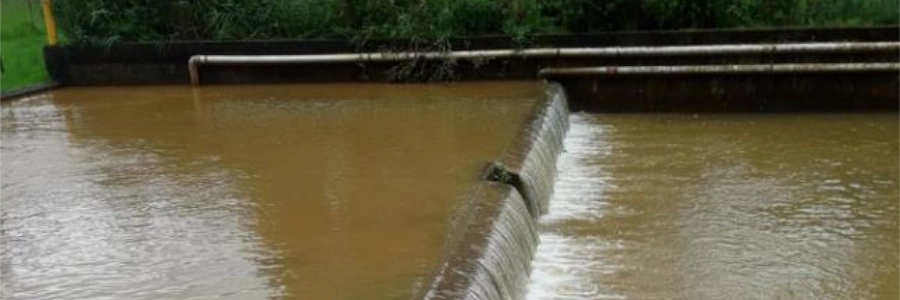
Ochre sludge from drinking water production as additive in biogas production
Material reuse & resource recovery
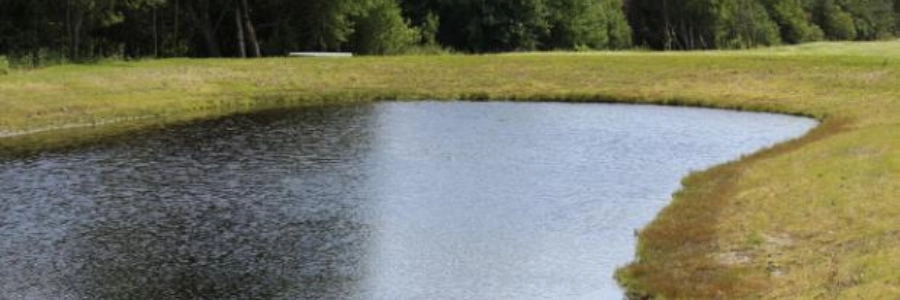
Reuse of sediment from rainwater basins for farm soil improvement
Material reuse & resource recovery
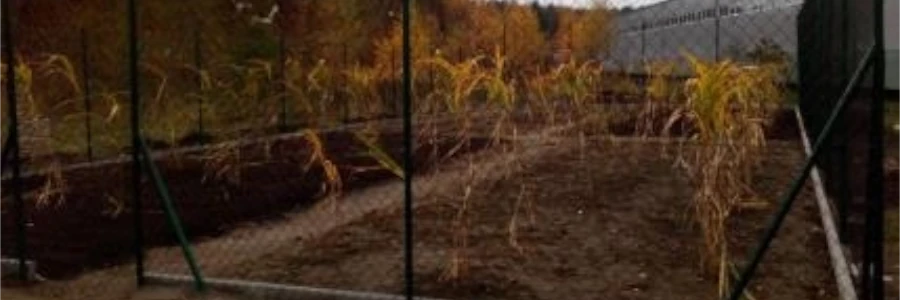
Phytoremediation and biomass valorisation of landfill soils and leachates
Material reuse & resource recovery
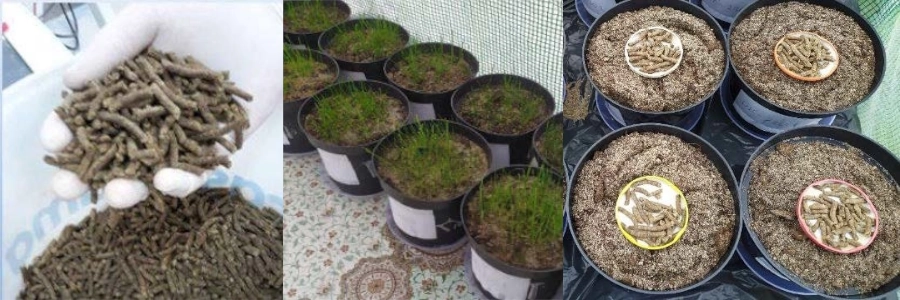
Municipal biowaste-derived fertilizer for urban green area
Material reuse & resource recovery
Neringa Composter Initiative
Material reuse & resource recovery
Restoration of the Šventoji Sea Port
Material reuse & resource recovery
LIFE SURE Case Study
Material reuse & resource recovery
Highway Landscaping with Stormwater Pond Sediment
Material reuse & resource recovery
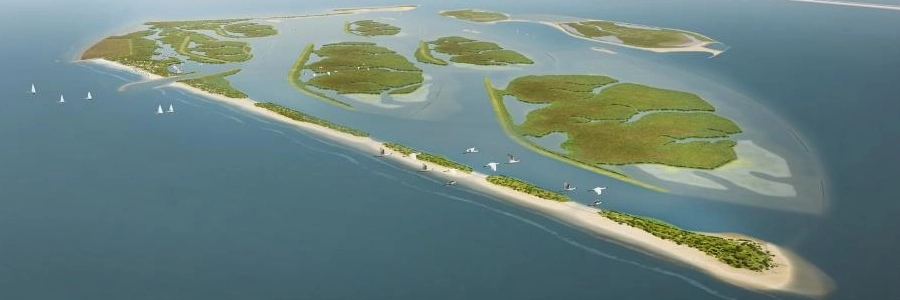
Reuse of lake mud for islands and nature restoration – the Marker Wadden project
Material reuse & resource recovery
